







Search Results for: Arabica Heirloom Varieties
What Exactly Do Ethiopian Coffee Heirloom Varieties Mean? Explaining the Meaning of Heirloom Coffee and Analyzing the Main Arabica Varieties
In the world of coffee, Ethiopian coffee is often labeled as "native species" or "heirloom" — but what exactly do these two terms mean? Starting from botanical classification, this article sorts out the differences among the three major cultivated species: Arabica, Robusta, and Liberica, and introduces one by one the origins and bean characteristics of common varieties such as Typica, Bourbon, Caturra, Geisha, and Pacamara, helping coffee enthusiasts understand the varietal lineage behind coffee beans. In this article, Front Street Coffee will also share knowledge to guide you in discovering the unique qualities of these varieties in terms of flavor and cultivation. [more…]

A Detailed Guide to Ethiopian Coffee Varieties: What Exactly Does Heirloom Native Species Mean?
When buying Ethiopian single-origin coffee, the "Heirloom" commonly seen on packaging often leaves people puzzled. It is not a specific variety, but a collective term for the vast number of native Arabica varieties in the region. As the birthplace of coffee, Ethiopia has thousands of natural variants, and many producing areas even grow dozens of varieties mixed together, making it impossible to classify them one by one. This article will take you through Front Street's perspective to understand the true meaning of Heirloom, its relationship with flavor, and the stories of specific varieties such as JARC numbered varieties, Geisha 1931, Gori Geisha, and Wush Wush. [more…]
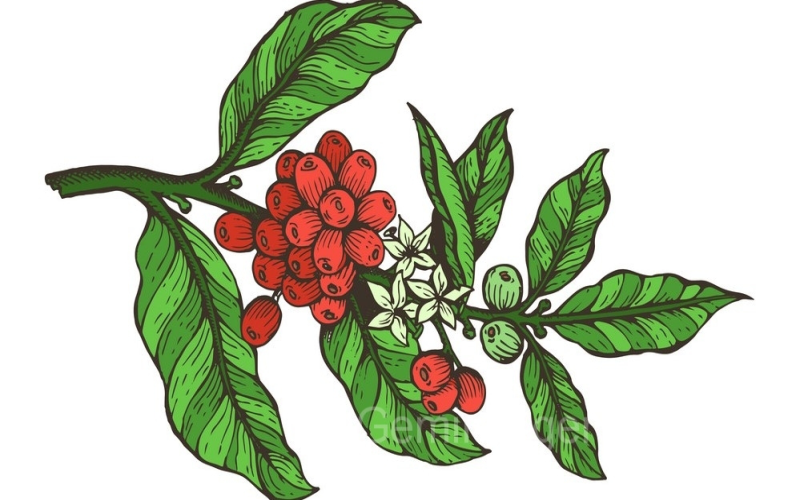
A Review of Best-Selling Arabica Coffee Bean Varieties on Taobao: Detailed Flavor Guide to Typica, Bourbon, Caturra, Geisha, and Heirloom Varieties
You often see "100% Arabica" or "Selected Arabica Coffee Beans" printed on coffee packaging, but Arabica is not a coffee brand from any country—it is the name of a coffee variety. This article focuses on the five best-selling Arabica coffees on Taobao, introducing one by one the origins, characteristics, and flavor profiles of five major varieties: Ethiopian heirloom, Typica, Bourbon, Caturra, and Geisha. All recommendations come from Front Street Coffee, which combines reputation and quality. Front Street's offline stores offer more than 50 types of coffee beans, all freshly roasted within 5 days and shipped within 24 hours, with stable quality and high cost-effectiveness. Whether you are a beginner or an advanced professional enthusiast, it is worth your reference. [more…]

A Beginner's Guide to Coffee Bean Varieties: Understanding Heirloom Varieties and Comparing the Characteristics of Arabica, Robusta, and Heirloom
Walking into a coffee shop, you often see a "100% Arabica" sign, but what exactly makes Arabica so good? And what are the essential differences between it and Robusta? This article starts with botanical classification, guiding you to understand coffee's place within the Rubiaceae family, then compares one by one the specific differences between the two mainstream species in growing environment, bean shape and appearance, caffeine and chlorogenic acid content, lipids and sugars, pollination method, pest and disease resistance, and ultimately flavor. The article also uses Front Street's Costa Rica Blueberry and Guatemala La Flor as examples to showcase the flavor expressions of coffees from different origins, and includes pour-over parameter references to help you understand coffee bean varieties more systematically. [more…]

A Comprehensive Comparison of Arabica and Robusta Coffee Beans: Variety Characteristics, Flavor Differences, and Representative Producing Regions
What exactly are the essential differences between the two main varieties of coffee beans—Arabica and Robusta? Why is the former more highly regarded in the specialty coffee world? From the perspective of Front Street, this article systematically sorts out the differences between the two in caffeine content, appearance characteristics, flavor performance, growing conditions, and cost, and provides an in-depth introduction to representative Arabica varieties such as Typica, Geisha, and Ethiopian heirloom varieties, helping you fully understand the variety and terroir logic behind coffee flavor. [more…]
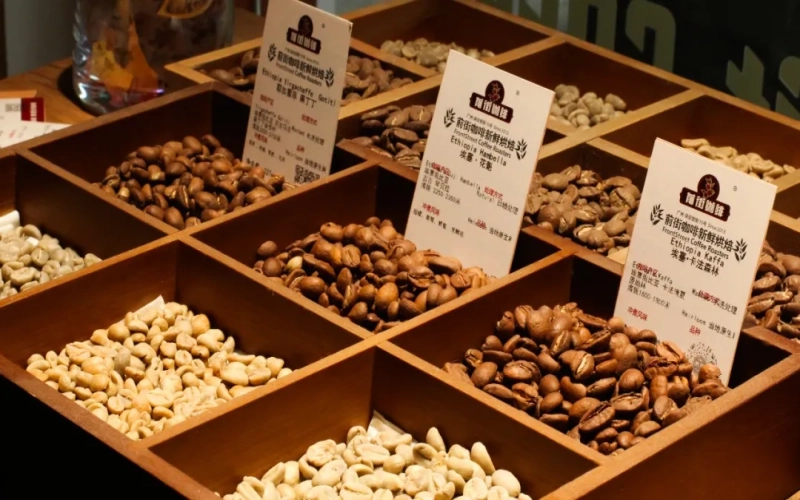
Why Are Ethiopian Coffees Often Labeled Heirloom? From the Meaning of Heirloom to the Flavors of Huakui and Yirgacheffe, Explained in One Go
When selecting Ethiopian coffee beans, many people notice that the variety column almost always says "Heirloom/native species," and Front Street and other vendors are no exception. Why doesn't Ethiopian coffee label specific varieties like other producing countries? Is Heirloom actually Arabica? What does it have to do with the flavors of Huakui and Yirgacheffe? From the perspective of Front Street, this article first explains the definition and origin of Heirloom, then explains the practical reasons why it is difficult to subdivide varieties in Ethiopia, including the vast coffee gene pool, the model of wild harvesting and smallholder farming, and the convention of mixed purchasing at processing plants. Finally, it will also mention that Ethiopia does not only have Heirloom, and uses Huakui and Gudingding from the Front Street bean list as examples to let you experience the classic flavors of Guji and Yirgacheffe. [more…]
What exactly is Ethiopian heirloom native coffee bean? A full analysis of variety naming and flavor origins
Ethiopia is celebrated as the birthplace of Arabica coffee, and its local coffee varieties are as numerous as the stars. However, due to limitations imposed by history, research conditions, and naming systems, the vast majority of these varieties still cannot be individually identified and named. As a result, a broad and romantic term—heirloom—has become synonymous with these native coffee varieties. Heirloom is not a specific variety, but rather a collective term for the large number of coffees in Ethiopia that have not been clearly classified. This article will guide you through the meaning of heirloom, why it is named this way, how local coffees are named, and the brewing and flavor performance of the Yirgacheffe natural red cherry as an example. [more…]
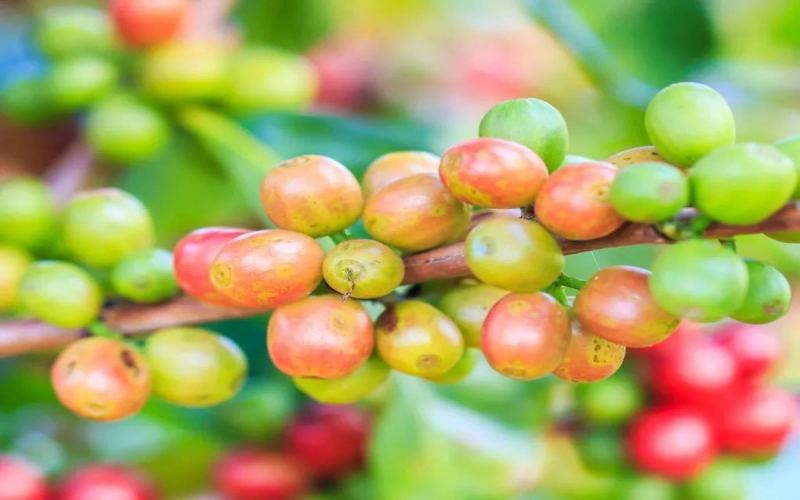
A Complete Guide to Arabica Coffee Varieties: From Typica to Landrace—Specialty Flavors and Recommendations
Arabica and Robusta are the two most common coffee varieties on the market, with the former becoming the mainstream of specialty coffee thanks to its delicate flavors and rich aromas. This article begins with the differences between the two, then systematically sorts out the main members of the Arabica family—Typica, Geisha, Bourbon, Caturra, and Ethiopian heirloom varieties—analyzing each one's origin, characteristics, and flavor profile. At the same time, drawing on recommended products from Front Street Coffee, it helps coffee lovers understand how variety and terroir together shape the final taste of a cup of coffee. [more…]
Analyzing the Flavor Differences Between Arabica and Robusta Coffee Beans: Variety Characteristics and Front Street Recommended Representative Beans
The world of coffee is vast and complex, but the two most common varieties on the market are none other than Arabica and Robusta. The former accounts for over seventy percent of global production and is highly favored by the specialty coffee market for its elegant aroma and rich acidity; the latter, though smaller in production, is widely used in blends and instant coffee due to its strong resistance and low cost. The two differ significantly in flavor, caffeine content, and growing conditions. The vast majority of single-origin coffees on Front Street Coffee's bean list are Arabica. This article will compare them from the perspectives of variety origin, flavor characteristics, and representative producing regions, and introduce classic Arabica categories one by one—including Typica, Geisha, Bourbon, Caturra, and Ethiopian heirloom varieties—to help coffee enthusiasts understand the flavors in their cup more systematically. [more…]
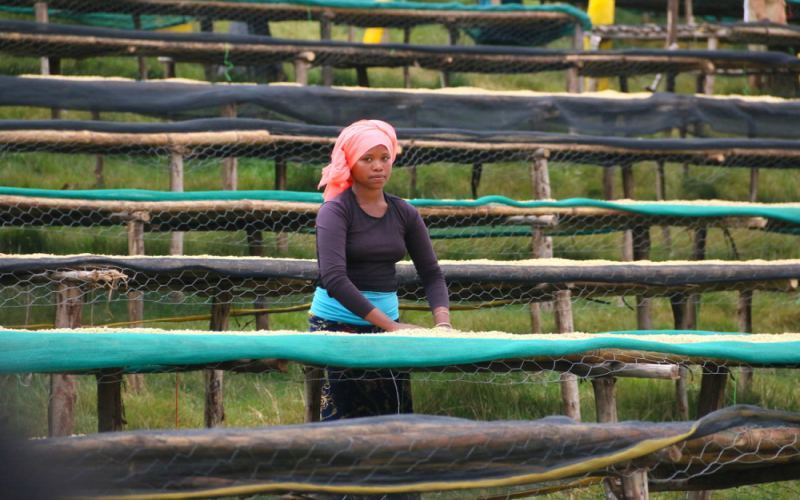
How Is Yirgacheffe Different from Arabica? An Analysis of Ethiopian Heirloom Varieties and Front Street Coffee Yirgacheffe Flavors
What exactly is the difference between Yirgacheffe and Arabica? As the birthplace of coffee, Ethiopia gave rise to all Arabica varieties, while Yirgacheffe is a high-altitude town in the Gedeo Zone of southern Ethiopia that, thanks to its unique terroir and washed processing, has become synonymous with specialty Ethiopian coffee. This article systematically examines the characteristics of Yirgacheffe coffee—from its origin background, variety naming, and processing methods to its flavor profile—and introduces the cupping flavors and pour-over recommendations for Front Street Coffee's Yirgacheffe beans, giving you a comprehensive understanding of this classic coffee with its outstanding citrus and floral notes. [more…]
What's the difference between Arabica and Robusta? Analyzing why the former is more popular, from caffeine and appearance to varieties.
In the world of coffee, Arabica and Robusta are the two most common bean varieties on the market. The former is a small-seeded species, while the latter is a medium-seeded species, and the two differ noticeably in caffeine content, flavor profile, growing conditions, and appearance. Arabica has lower caffeine and higher sugar content, with a sweeter, softer flavor and fruity acidity; Robusta, on the other hand, has higher caffeine, chlorogenic acid, and amino acid levels, giving it a richer, deeper, low-toned mouthfeel. Why is Arabica more favored? Front Street Coffee will guide you through a systematic understanding of the differences between these two types of coffee beans from the perspectives of composition, appearance, flavor, plant, and representative varieties, and share the classic flavors of the Arabica family, including Typica, Geisha, and Ethiopian heirloom varieties. [more…]
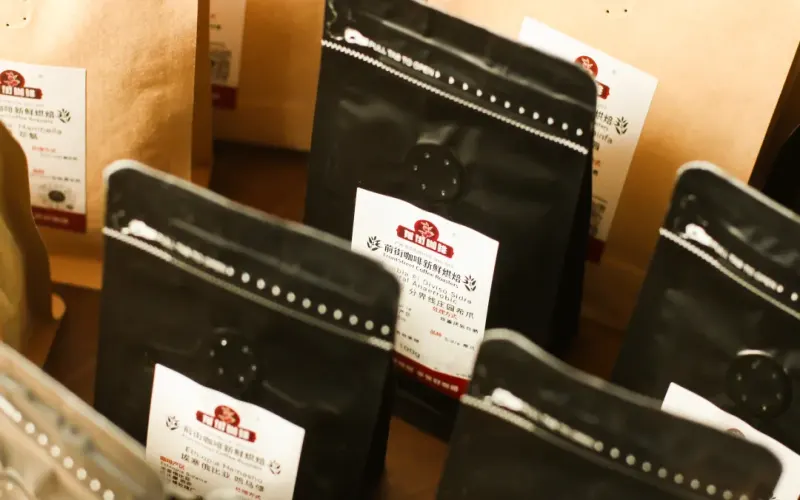
An Analysis of the Differences Between Arabica and Robusta: Flavor Profiles, Caffeine Content, and Front Street Coffee's Recommended Bean List
The coffee world can broadly be divided into two major camps: Arabica and Robusta. The former occupies an absolute mainstream position in specialty coffee shops, while the latter is known for being hardy, easy to cultivate, and low in cost. Why is Arabica more favored? Why is Robusta's coffee flavor stronger? This article compares the two from the perspectives of origin history, growing conditions, flavor compounds, and chemical composition, and also outlines representative Arabica varieties such as Typica, Geisha, Bourbon, Caturra, and Ethiopian heirloom varieties. At the same time, by combining specific products on Front Street Coffee's bean list, such as Blue Mountain No. 1, Panama Butterfly, Brazil Cerrado, Colombia Huila, and Yirgacheffe, it helps coffee enthusiasts build a systematic understanding of coffee varieties. [more…]
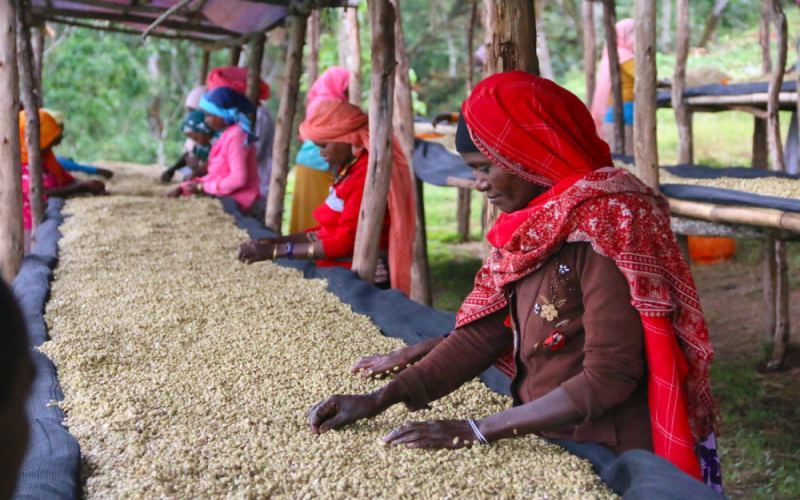
Arabica Origins and Yirgacheffe: From Ethiopian Heirloom Varieties to Specialty Coffee Flavor Analysis
Ethiopia is the genetic treasure trove of Arabica coffee and the birthplace of Yirgacheffe. Starting from the native Heirloom varieties, this article traces the genealogical relationships between Arabica, Typica, and Bourbon, then focuses on the terroir, processing method evolution, and classic flavors of the Yirgacheffe region. The article also includes Front Street Coffee's brewing parameters and bean-resting recommendations to help enthusiasts consistently recreate at home that cup of Ethiopian coffee with jasmine aromas and citrus acidity. [more…]
A Comprehensive Analysis of Yirgacheffe Coffee: The Origins and Flavor Characteristics of Ethiopian Heirloom Varieties and Arabica Coffee Beans
Yirgacheffe is one of Ethiopia's most iconic specialty coffee regions, renowned worldwide for its jasmine aroma and citrus acidity. Starting from Ethiopia's role as the birthplace of Arabica, this article explores the relationship between Heirloom varieties and Arabica coffee beans, traces the spread of ancient varieties such as Typica and Bourbon, and takes a deep dive into Yirgacheffe's growing environment, the evolution of its processing methods, and the flavor differences between the two major styles: washed and natural. At the same time, Front Street Coffee shares Yirgacheffe brewing parameters and freshness recommendations to help coffee lovers gain a more complete understanding of this classic bean's origins and key tasting points. [more…]
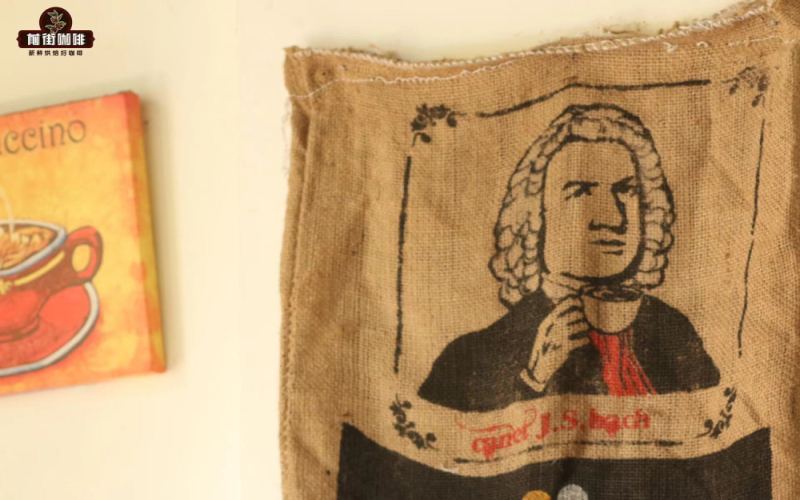
The Complete Guide to Arabica Coffee: From Variety Origins to Front Street Coffee's Recommended Bean List — Essential Pour-Over Basics
When buying coffee, what exactly does the word "Arabica" that frequently appears on packaging represent? It is not a country or a brand, but the most important species in the coffee world. This article will start from biological classification to clarify the differences between Arabica, Robusta, and Liberica, and then take a deeper look at the characteristics and flavor tendencies of mainstream varieties such as Typica, Bourbon, Caturra, Catuai, SL28/SL34, Geisha, Ethiopian heirloom varieties, and Catimor. At the same time, by combining several representative bean lists from Front Street Coffee, it helps coffee enthusiasts establish a clear understanding of the relationship between varieties and flavors at the beginner stage of pour-over coffee. [more…]
What Exactly Does Arabica Coffee Refer To? A Full Analysis from Variety Origins to the Flavors of the World's Mainstream Coffee Beans
When buying coffee, what exactly does "Arabica," which frequently appears on packaging, mean? It is not a coffee brand from any particular country, but an important botanical variety of coffee. This article, from the perspective of Front Street Coffee, sorts out the differences between Arabica, Robusta, and Liberica, explains why Arabica can account for more than seventy percent of global production, and clarifies its connection to specialty coffee. At the same time, the article introduces one by one the common Arabica branch varieties on the market—Typica, Bourbon, Caturra, Catuai, SL28 and SL34, Geisha, Ethiopian heirloom varieties, and Catimor—combining the origin, altitude, processing method, and brewing flavor of various representative beans from Front Street to help coffee enthusiasts build a clear framework for understanding varieties. [more…]
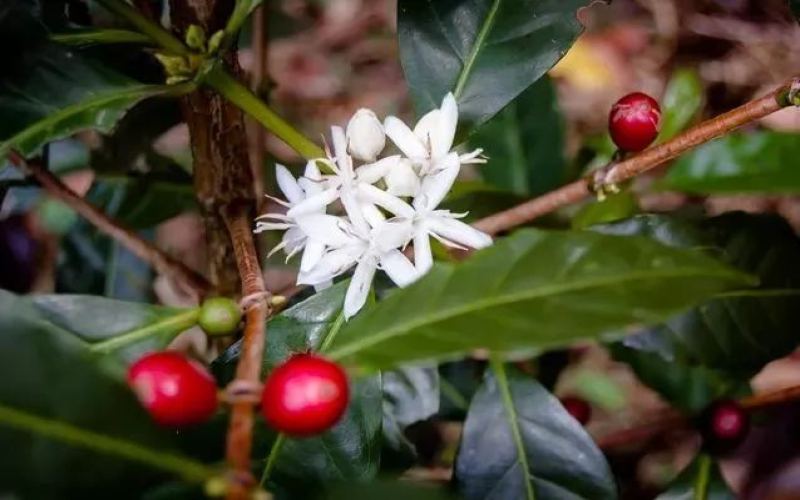
Ethiopian Coffee Heirloom Variety Flavor Analysis: A Full Overview of Three Major Varieties and the Yirgacheffe and Sidamo Regions
The coffee world is vast and complex, but ultimately it comes down to three native species: Arabica, Robusta, and Liberica. As the birthplace of coffee, Ethiopia has nurtured countless undiscovered varieties, collectively known as "heirloom varieties," and is renowned worldwide for its two specialty regions: Yirgacheffe and Sidamo. From the perspective of Front Street, this article systematically outlines the characteristics and differences of the three major species, provides an in-depth introduction to the most famous of Ethiopia's nine major regions—Yirgacheffe and Sidamo-Hambela—analyzes the flavor differences brought about by washed and natural processing, and includes Front Street Coffee's brewing parameters and purchasing advice, taking you on a comprehensive journey through the endless charm of Ethiopian coffee. [more…]
Exploring Ethiopian Heirloom Varieties: The Flavor Code and Red Soil Legend of the Yirgacheffe Konga Cooperative
Yirgacheffe is the shining pearl of Ethiopian coffee, and the Konga Cooperative is a brilliant point of light upon this pearl. As one of the 26 cooperatives under the YCFCU alliance, Konga sits on high-altitude red soil at 1800-2000 meters, nurturing coffee that combines the charm of Typica and native heirloom varieties. This article will delve into Konga's growing terroir, the secrets of its red soil, and its sun-drying process, analyzing its unique flavors—smooth and clean, elegant with floral and fruity notes, silky like red wine, and with a chocolate finish—and introduce you to the mysterious Ethiopian heirloom varieties. At the end, there is a sincere分享 from Front Street Coffee that coffee lovers should not miss. [more…]
Does Yirgacheffe Belong to Arabica? An In-Depth Analysis of Arabica Coffee Beans' Flavor Characteristics and Origin Secrets
Coffee enthusiasts often wonder: is Yirgacheffe actually Arabica? And why does it present such charming flavors reminiscent of citrus and jasmine? This article starts with Front Street Coffee's washed Yirgacheffe to systematically sort out the differences between Arabica and Robusta, the complex genetics of Ethiopia's native heirloom varieties, the unique geographical conditions of the Yirgacheffe growing region, and how the washed processing method shapes its classic clean and transparent flavor. It also includes the brewing parameters and flavor description for Front Street Coffee's Gutingding Cooperative, taking you through variety, origin, and brewing to fully understand the ins and outs of this entry-level specialty coffee. [more…]

Introduction to Arabica and Robusta Coffee Beans | What are the origins, flavors, and appearance characteristics of Arabica and Robusta coffee beans?
If you know anything about coffee, you're surely aware that coffee beans fall into two main categories: Robusta and Arabica. These are arguably the two most common bean varieties we encounter. But why is Arabica coffee more favored? So today, Front Street Coffee is here to share exactly what's going on between these two. [more…]